How AI visibility differs from traditional SEO reporting
Learn what changes when teams move from rankings-only SEO reports to AI visibility reporting across ChatGPT, Claude, Gemini, and Perplexity.
Twelve practical guides for measuring, improving, and reporting how brands appear in AI answers.
If you lead growth, SEO, or product marketing and need a clear AI visibility system, start here. We focus on signal quality, reproducible tests, and compounding distribution loops.
Every post includes a short scan-first summary at the top, followed by long-form implementation depth underneath so teams can move quickly without losing the full SEO and AEO context.
Use the library in the order your team needs: define the baseline, investigate gaps, then run a repeatable reporting loop.
Learn what changes when teams move from rankings-only SEO reports to AI visibility reporting across ChatGPT, Claude, Gemini, and Perplexity.
Learn what AI visibility monitoring measures, how to build a useful prompt library, and how to turn structured answer-engine results into content and positioning work.
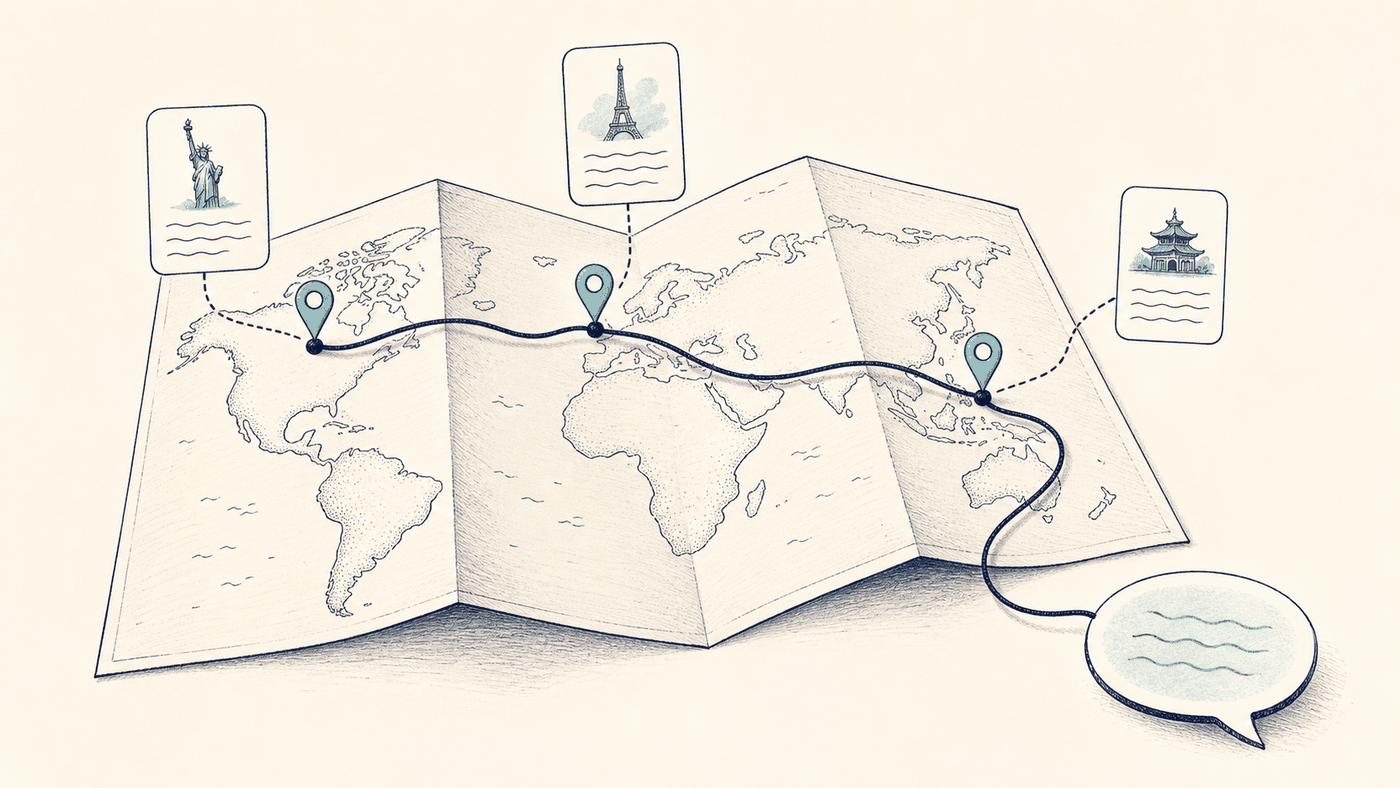
A practical workflow for measuring how AI answers change across markets, languages, and buyer contexts before you make the wrong expansion decisions.
Semrush tracks Google rankings. BotSee tracks how your brand appears in ChatGPT, Claude, and Gemini answers. Here is what each tool does and why you probably need both.
A practical comparison of BotSee and Profound for AI visibility monitoring. Covers API access, pricing, use cases, and reporting so you can pick the right tool for your team's workflow.
AI assistants don't show a ranked list — they make a recommendation. If your brand isn't cited, you're invisible at the moment of decision. Here's how to fix that.