
How To Run An AI Visibility Audit With An Agent
A review-first guide to the documented BotSee /ai-visibility-audit workflow: set up a site, refine buyer questions, inspect evidence, and propose text-only changes for approval.
A review-first guide to the documented BotSee /ai-visibility-audit workflow: set up a site, refine buyer questions, inspect evidence, and propose text-only changes for approval.

A review-first BotSee workflow for defining a site and buyer questions, running analysis, retrieving evidence, and proposing content work without autonomous publishing.

Learn what changes when teams move from rankings-only SEO reports to AI visibility reporting across ChatGPT, Claude, Gemini, and Perplexity.

Learn what AI visibility monitoring measures, how to build a useful prompt library, and how to turn structured answer-engine results into content and positioning work.
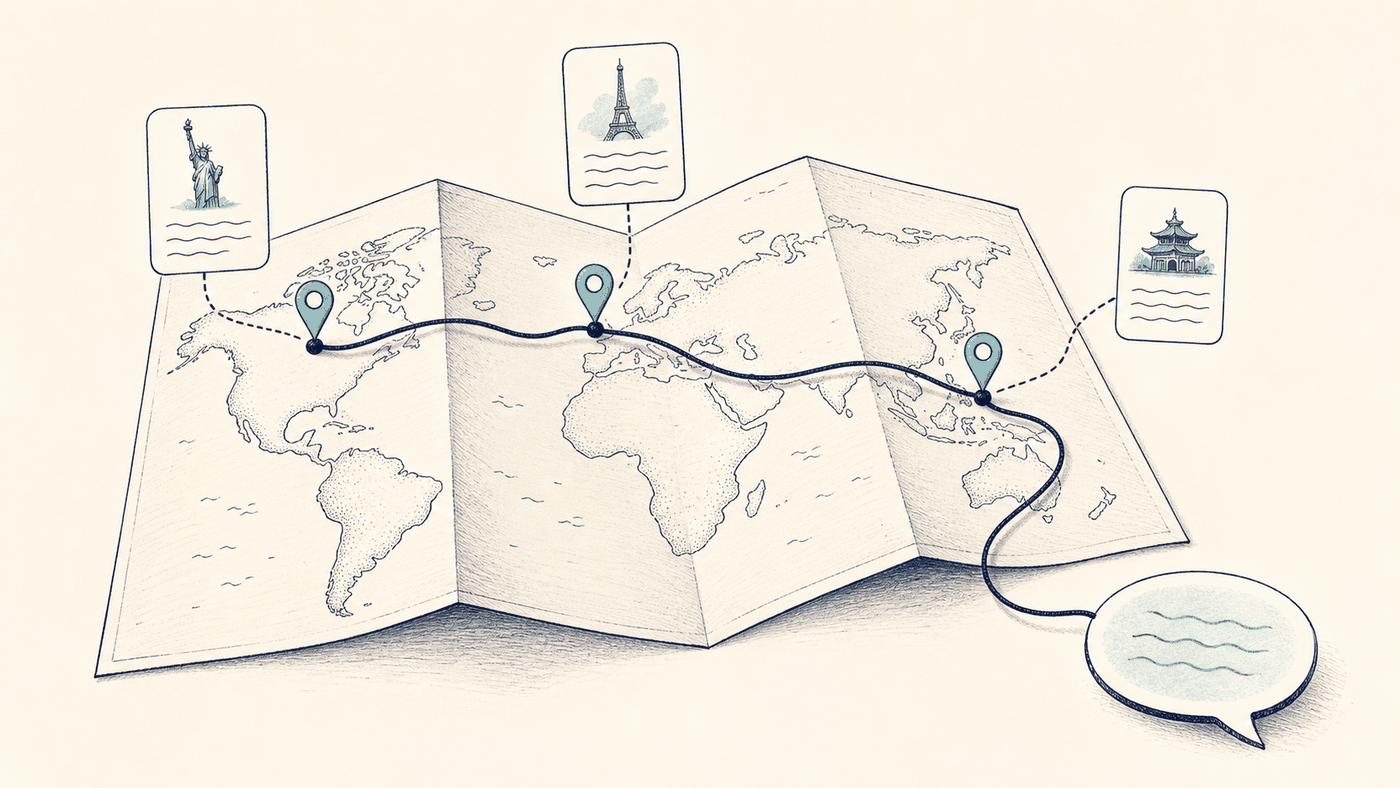
A practical workflow for measuring how AI answers change across markets, languages, and buyer contexts before you make the wrong expansion decisions.

A practical comparison of BotSee and Profound for AI visibility monitoring. Covers API access, pricing, use cases, and reporting so you can pick the right tool for your team's workflow.

AI assistants don't show a ranked list — they make a recommendation. If your brand isn't cited, you're invisible at the moment of decision. Here's how to fix that.

Use a practical diagnostic workflow to investigate why a brand is absent from relevant AI answers, then identify the evidence worth improving.

A step-by-step guide for digital agencies on building recurring AI visibility reporting for clients — what to track, how to price it, and where BotSee fits.

LLM monitoring tools can mean two different things. This guide focuses on the buyer-facing work of measuring brand visibility in AI-generated answers.

A practical playbook for monitoring where and how ChatGPT references your brand, pages, and evidence across high-intent prompts.

Create a high-signal [BotSee](https://botsee.io) query library that gives cleaner trends, better segmentation, and more useful optimization insights.

Turn raw [BotSee](https://botsee.io) output into a short, decision-focused weekly report with clear movement, causes, and next actions.